Beauty & Wellness
The fashion and modeling industry demands more than just natural aesthetics—it requires a comprehensive approach to beauty and wellness that treats your appearance as a professional asset. Whether you’re navigating your first casting calls or maintaining a long-term career, understanding how to care for your skin, body, and mental health can mean the difference between fleeting opportunities and sustained success. The models who thrive aren’t necessarily those born with perfect features, but those who’ve mastered the art of strategic self-care.
This field encompasses far more than basic grooming. It involves understanding professional protocols on set, making informed decisions about treatments and procedures, developing personalized routines that withstand grueling schedules, and protecting your mental health in a high-pressure environment. From preparing your skin for close-up beauty campaigns to recovering from the physical toll of fashion week, each aspect of beauty and wellness connects to build a sustainable foundation for your modeling career.
Professional Standards and Set Etiquette
Understanding the unspoken rules of professional beauty environments separates aspiring models from industry veterans. Your behavior in the makeup chair and interactions with beauty teams directly impact your reputation and rebooking potential.
Arriving Prepared and Communicating Effectively
The concept of arriving with the “correct canvas” means showing up to shoots and castings with clean, well-moisturized skin and healthy hair that hasn’t been recently colored or treated without prior approval. Makeup artists and hairstylists need to work with your natural base, not fight against heavy product buildup or surprising alterations. Think of it like giving a painter a properly primed surface—the better your preparation, the better their final result.
Equally crucial is communicating any allergies, sensitivities, or recent treatments before anyone touches your face. A professional approach includes providing this information proactively, not after a reaction has already begun. If you’ve recently had chemical peels, laser treatments, or are using prescription skincare products, the beauty team needs to know to adjust their product selection accordingly.
Respecting Tools, Time, and Expertise
Never touch an artist’s brushes, reach into their kit, or request to use products on yourself without permission. Professional makeup kits represent significant financial investment and are meticulously organized and sanitized. Similarly, avoid excessive conversation or phone use during application—this is the artist’s working time, and your movement or distraction can compromise their precision. Your role in the chair is to remain still, responsive to direction, and respectful of the creative process.
After intense shoots involving heavy makeup or elaborate hair styling, removing these elements safely protects your skin and hair from long-term damage. Rather than scrubbing aggressively, use gentle, oil-based removers and take your time with the process, treating post-shoot care as seriously as pre-shoot preparation.
Strategic Skincare for High-Performance Careers
In an industry where your face is literally your fortune, investing in skin health transcends vanity—it’s a career necessity. The most successful models approach skincare with the same discipline athletes apply to physical training.
Building Your Foundation Routine
A consistent home maintenance routine forms the backbone of professional skincare. This typically includes a gentle cleanser, treatment products addressing your specific concerns (acne, hyperpigmentation, fine lines), moisturizer, and non-negotiable daily SPF protection. The key word is consistency—sporadic intensive treatments cannot compensate for neglecting daily fundamentals.
Your routine should adapt to your circumstances. Long-haul flights require extra hydration measures, including in-flight facial mists, barrier repair creams, and drinking significantly more water than you think necessary. The recycled cabin air can dehydrate skin within hours, creating dullness that’s visible in castings immediately after landing.
Professional Treatments and Timing
Understanding which professional treatments serve your goals—and when to schedule them—requires careful planning. Non-invasive procedures like LED therapy, microcurrent treatments, and professional-grade facials can enhance skin quality without downtime. More aggressive interventions like chemical peels, microneedling, or laser treatments require strategic timing, typically completed at least 4-6 weeks before major events like fashion week to allow complete healing.
The goal is supporting natural collagen production and cellular turnover through methods like retinoid use, adequate protein intake, vitamin C application, and protecting against UV damage. These approaches build cumulative benefits over time rather than relying on dramatic interventions that carry risk of complications or extended recovery periods.
Managing Common Skin Challenges
Stress-related breakouts before important castings represent one of the most frustrating skincare challenges. Prevention strategies include:
- Maintaining your routine even when traveling or stressed
- Avoiding new products immediately before important events
- Having targeted spot treatments on hand (salicylic acid, hydrocolloid patches)
- Consulting with a dermatologist for prescription options if breakouts are chronic
For those pursuing the coveted “glass skin” look—that luminous, poreless, deeply hydrated appearance—focus on layering hydrating products (essences, serums, moisturizers) and incorporating ingredients like hyaluronic acid, niacinamide, and ceramides. This aesthetic relies more on exceptional hydration and healthy skin barrier function than makeup tricks.
Hair Health and Maintenance
The constant heat styling, chemical treatments, tight hairstyles, and product buildup inherent to modeling work can devastate hair health if left unmanaged. Protecting your hair against industry damage requires both defensive strategies and restorative treatments.
Bond-building treatments have revolutionized hair care for professionals subjected to frequent chemical processes. These products work at a molecular level to repair broken protein bonds within the hair shaft, restoring strength and elasticity. Using them consistently—not just after obvious damage appears—provides preventative protection.
If you work with extensions or weaves, communication with set hairstylists about their presence prevents awkward situations and potential damage to both your natural hair and the extensions. Proper installation, regular maintenance appointments, and giving your hair breaks between extension periods helps minimize traction damage and allows your scalp to recover.
Scalp health often gets overlooked, but product buildup from dry shampoo, styling products, and heavy conditioners can clog follicles and create an environment for inflammation. Regular scalp detoxification using clarifying shampoos or specialized scalp scrubs removes this accumulation, promoting healthier hair growth and improving how products perform on clean hair.
Makeup Mastery and Application Techniques
While professional makeup artists handle most shoots, mastering self-application skills advances your career by making you more versatile for castings, test shoots, and clients with limited budgets for full beauty teams.
Technical Skills That Matter
Understanding how to contour specifically for flash photography differs significantly from everyday makeup or even regular photo makeup. Flash tends to flatten features and create harsh highlights, requiring more strategic shadow placement and avoiding products with SPF or flashback-prone ingredients. Practice with flash photography reveals how your techniques translate on camera versus in mirrors.
Matching foundation perfectly requires testing in natural daylight, not store lighting, and understanding your undertone beyond surface-level color matching. Your foundation should disappear into your neck and chest, not create a mask-like demarcation. Professional models often keep multiple shades to adjust for seasonal color changes or to match different body areas for specific shoots.
Maintaining Your Personal Kit
If you maintain a personal makeup kit for castings or self-application, sanitization practices aren’t optional—they’re essential for skin health and professionalism. This includes:
- Regularly cleaning brushes with professional brush cleanser
- Sharpening pencils before each use to expose clean product
- Replacing mascara every 3 months to prevent bacterial growth
- Storing products in clean, closed containers away from humidity and heat
- Never sharing eye or lip products with others
Learning to apply false lashes naturally—so they enhance rather than overwhelm your eyes—requires practice with different styles, adhesives, and application techniques. The goal is seamless integration with your natural lash line, creating the appearance of fuller lashes without obvious artificiality.
Nutrition as a Beauty Foundation
Your dietary choices directly impact skin clarity, hair strength, nail quality, energy levels, and how your body responds to the physical demands of modeling. Viewing nutrition as fuel for performance and appearance rather than merely calorie management creates a healthier, more sustainable approach.
Anti-inflammatory eating patterns emphasize whole foods, omega-3 fatty acids (found in fatty fish, walnuts, flaxseeds), colorful vegetables rich in antioxidants, and adequate protein for tissue repair. This approach naturally reduces skin inflammation, supports collagen production, and provides steady energy without the crashes associated with high-sugar, processed foods.
Strategic hydration goes beyond drinking water randomly throughout the day. Before shoots, frontloading hydration in the days preceding (not just the morning of) ensures your skin appears plump and luminous. Understanding that certain foods—asparagus, cucumber, celery—have diuretic properties helps you manage bloating before important castings.
On-set snacking requires planning to avoid the typical craft services table pitfalls of pastries, candy, and heavy catering. Bringing portable, nutrient-dense options like nuts, protein bars, fresh fruit, and cut vegetables ensures you maintain stable blood sugar and avoid the post-sugar crash or bloating that can affect your appearance during long shoot days.
Supplementation for hair and nails—biotin, collagen peptides, silica—may provide benefits, though whole-food nutrition should always form your foundation. Consult with healthcare providers before beginning supplements, as some can interact with medications or create imbalances if taken inappropriately.
Fitness and Physical Conditioning
Physical training for modeling extends beyond aesthetic goals to encompass posture, stamina for long shoot days, and the physical control necessary for precise posing. The most effective approach combines multiple training modalities rather than focusing exclusively on one type of exercise.
Core strength fundamentally impacts posing ability—your capacity to hold positions, create dynamic angles, and move fluidly between poses all originate from core stability. Exercises like planks, Pilates, and functional movement training build this foundation more effectively than traditional crunches.
Low-impact cardiovascular training—swimming, cycling, brisk walking—maintains cardiovascular health and supports body composition goals without the joint stress or muscle bulk that can result from high-impact activities. This approach proves particularly valuable for models with specific aesthetic requirements from their agencies.
Posture improvement through targeted exercise addresses the forward head position, rounded shoulders, and anterior pelvic tilt common in our screen-dominated culture. Exercises strengthening the upper back, posterior chain, and deep neck flexors quite literally change how you carry yourself, impacting both photography results and in-person presence at castings.
Recovery from intense travel schedules and consecutive working days requires intentional rest, adequate sleep, gentle stretching, and potentially bodywork therapy like massage or physical therapy to address muscular imbalances before they become injuries.
Mental Wellness and Burnout Prevention
The psychological demands of modeling—constant evaluation of your appearance, rejection at castings, irregular income, competition, and performance pressure—make mental health support not a luxury but a necessity for career longevity.
Stress Management Techniques
Using meditation specifically for casting anxiety provides a portable tool you can employ in waiting rooms, before walking into auditions, or when facing criticism. Even brief practices of 5-10 minutes using guided meditation apps can shift your nervous system from fight-or-flight activation to a calmer state that allows you to present authentically.
Digital detox practices—scheduled breaks from social media, turning off work notifications during designated rest periods, and avoiding comparison scrolling—protect against the constant mental stimulation and comparison culture that accelerates burnout in creative industries.
Foundational Wellness Practices
Sleep hygiene deserves prioritization equal to your skincare routine. Quality sleep impacts hormone regulation, skin repair, cognitive function, and emotional resilience. This means consistent sleep schedules when possible, optimizing your sleep environment (darkness, cool temperature, minimal noise), and avoiding screens before bed despite the industry’s nocturnal social culture.
Journaling for emotional release provides a private space to process rejection, celebrate victories, track patterns in your mental health, and maintain perspective during difficult periods. Unlike venting on social media or to industry contacts, private journaling carries no professional risk while offering genuine therapeutic benefits.
Investing in bodywork therapy—massage, acupuncture, chiropractic care—addresses both physical tension and provides regular check-ins with your body’s needs. These appointments become non-negotiable self-care rituals that prevent minor issues from becoming career-impacting problems.
Full-Body Maintenance and Grooming
Comprehensive beauty and wellness extends beyond facial skincare to encompass your entire physical presentation. This holistic approach ensures you’re prepared for any booking, from closeup beauty work to swimwear campaigns.
Body skin care includes consistent moisturization, sun protection on all exposed areas, and addressing concerns like keratosis pilaris, body acne, or uneven texture that might limit booking opportunities. The same principles governing facial skincare—gentle cleansing, regular exfoliation, hydration, sun protection—apply to body care.
Hand and nail care often gets neglected until a hand modeling opportunity arises. Maintaining short, clean, well-shaped nails, regularly moisturizing hands and cuticles, and protecting hands during cleaning or other harsh activities preserves their appearance for detail shots and commercial work.
Body hair grooming standards vary by market, client, and type of modeling, but maintaining flexibility in your grooming helps you respond to last-minute booking requirements. Understanding safe methods for hair removal—avoiding techniques that cause irritation, ingrown hairs, or scarring—protects your skin quality.
Teeth whitening, when approached safely through professional methods or dentist-approved home treatments, addresses one of the most immediately noticed aspects of your appearance. Avoiding damage to enamel or creating unnatural-looking results requires professional guidance rather than relying on aggressive DIY methods.
Ultimately, beauty and wellness for modeling careers represents a marathon rather than a sprint. The practices that sustain long-term success—consistent routines, preventative care, mental health support, and viewing your body as a professional instrument requiring maintenance—differ significantly from quick-fix approaches. By integrating these principles into your daily life and understanding how each element supports your career goals, you build a foundation that weathers industry pressures while protecting your health and longevity in this demanding field.
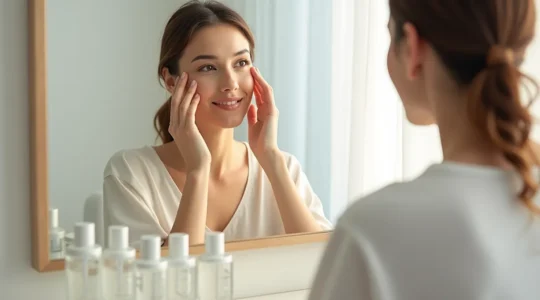
The 15-Minute Daily Routine That Keeps You “Camera Ready” 365 Days a Year?
The last-minute panic to get ready for an unexpected booking is a model’s worst enemy. Instead of relying on frantic, overnight fixes, the key to being consistently camera-ready is a disciplined, 15-minute daily “micro-maintenance” system. This approach focuses on systematically…
Read more
Mental Health Day: How to Disconnect Without Losing Momentum?
Taking a mental health day isn’t a failure to keep up; it’s a strategic investment in your career’s longevity. True rest is not a luxury but a non-negotiable part of maintaining your primary professional asset: you. Disconnecting is an active…
Read more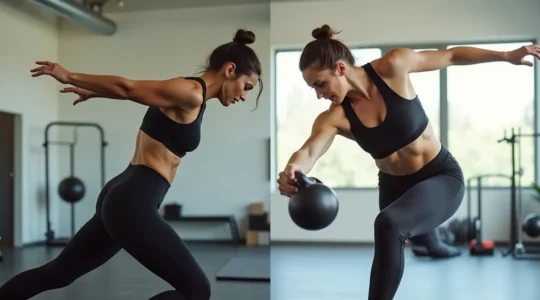
Pilates vs. CrossFit: Which Workout Builds the “Long and Lean” Model Look?
The choice between Pilates and CrossFit isn’t about which is “better,” but which is more precise for sculpting the specific, non-bulky silhouette required for high-fashion runways. Pilates excels at creating a “cinched-in” core and elongated lines through targeted, low-impact muscle…
Read more
The “Model Diet” Myth: How to Eat for Energy and Skin Glow?
The secret to a successful modeling career isn’t about restriction; it’s about strategic fueling, treating your body like the elite athlete it is. Sustained energy and glowing skin come from metabolic stability, not calorie counting. Specific food choices before a…
Read more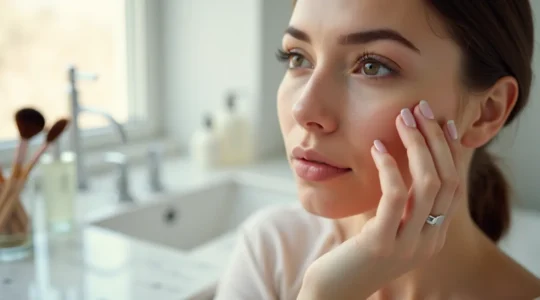
The Pro’s Guide to “No-Makeup” Makeup for Castings
The “no-makeup” look for castings has nothing to do with looking ‘natural’ and everything to do with a technical mastery of how products react to a camera’s flash. Your bathroom mirror lies; a Polaroid flash reveals everything, from mismatched foundation…
Read more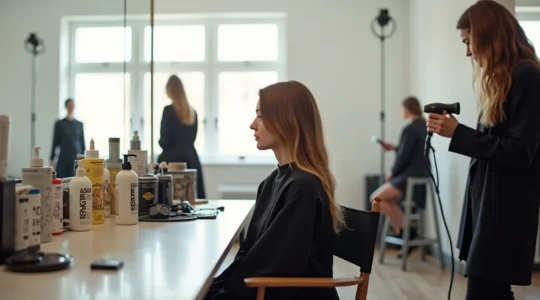
How to Save Your Hair From Heat Damage After 30 Days of Intense Shooting?
Constant, high-heat styling on set inflicts industrial-level damage that typical conditioners can’t fix, putting a model’s career at risk. The solution lies in shifting from simple “hair care” to a strategic “hair asset management” system. This trichologist-developed guide provides a…
Read more
LED, Microcurrent, or Oxygen: Which Facial Treatments Deliver Instant Glow?
The secret to a truly camera-ready glow isn’t finding one magic facial, but mastering a strategic architecture of treatments that target different layers of your skin biology for specific, high-impact results. Microcurrent builds the foundational muscle tone for a sculpted,…
Read more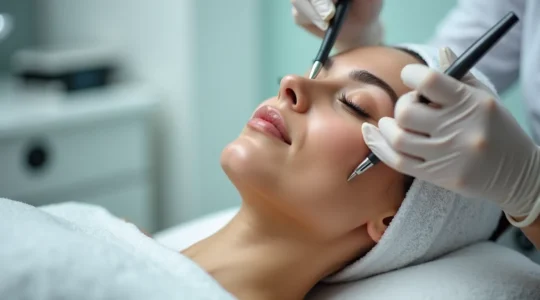
Why a Monthly Facial Is a Tax-Deductible Business Expense for Models?
As a tax accountant for creatives, I see a recurring, costly mistake among models: viewing skincare through a personal lens. You worry about a pre-casting breakout as a beauty disaster, not a financial liability. You see a $150 facial as…
Read more
Skin, Hair, or Makeup: Which Segment of the Beauty Industry Pays Best?
The highest earnings in beauty modeling are unlocked not by generic appeal, but by strategically specializing in a high-value niche that solves a specific, costly problem for brands. Pristine skin for “no-retouching” campaigns directly reduces a brand’s post-production budget, justifying…
Read more
Why Your Skin Prep Before the Makeup Chair Determines the Shoot’s Success?
Contrary to popular belief, arriving “bare-faced” is not enough; it’s the disciplined 24-hour protocol before you arrive that dictates the quality and efficiency of a photoshoot. Your skin is not a personal feature, but a professional canvas. Arriving with irritated…
Read more