Fashion & Photo Shoots
Fashion photography brings together artistry, commerce, and technical precision in a dynamic creative environment. Whether capturing garments for e-commerce catalogs, creating narrative editorial spreads, or producing high-stakes advertising campaigns, each photo shoot requires specific skills from both models and photographers. Understanding the diverse landscape of fashion photography helps aspiring models prepare for the realities of professional sets and enables photography enthusiasts to appreciate the complexity behind those stunning images.
The world of fashion photo shoots extends far beyond simply standing in front of a camera. It encompasses mastering physical techniques like runway posing and body geometry, navigating complex production hierarchies, collaborating with creative teams to interpret abstract concepts, and understanding how post-production processes shape the final images. This comprehensive overview explores the essential skills, professional standards, and technical knowledge that define success in fashion photography, from the controlled studio environment to the chaotic energy backstage at fashion week.
What Are the Different Types of Fashion Photo Shoots?
Fashion photography isn’t a monolithic category—it splits into distinct genres, each with unique demands, aesthetics, and professional expectations. Recognizing these differences helps models specialize strategically and allows photographers to calibrate their approach.
Commercial and Advertising Shoots
Commercial work focuses on selling products or brand identities, making it the most financially lucrative category for many professionals. These shoots prioritize client marketing goals over artistic expression, requiring models to embody relatable consumer archetypes rather than avant-garde personas. A model might spend an entire day ensuring perfect logo visibility, mastering eye contact psychology to create connection with viewers, or adapting performance skills between video commercials and still photography.
The stakes run high on commercial sets. Usage rights and buyout terms directly impact compensation, while the pressure to deliver that single, high-impact hero image creates an intense atmosphere. Models must understand format constraints—whether the final image needs portrait orientation for social media or landscape for billboard placement—and interact naturally with products while maintaining the brand as the visual anchor.
Editorial and Magazine Work
Editorial photography prioritizes creativity and storytelling over direct sales, appearing in fashion magazines, online publications, and artistic portfolios. This category offers prestige and creative freedom that can elevate a model’s career status, even when the financial compensation remains modest compared to commercial work. Collaborating with avant-garde styling teams, building character backstories for conceptual shoots, and taking risks through improvisation define this sphere.
The pathway to editorial success involves understanding magazine hierarchies—from emerging digital publications to established luxury titles—and strategically leveraging tear sheets for agency marketing. Models learn to balance creative experimentation with brand safety, recognizing that today’s edgy editorial can become tomorrow’s portfolio piece that opens doors to luxury markets.
Runway and Catwalk Photography
Runway modeling represents a specialized discipline with elite physical standards and specific technical demands. Beyond meeting strict height and hip measurement requirements, models must master the physical technique of walking, develop core strength for perfect posture, and handle difficult footwear on potentially slippery surfaces. The facial expression for runway differs dramatically from commercial work—often neutral or intense rather than warmly engaging.
The backstage chaos during fashion week creates additional challenges: navigating quick changes, surviving intense casting pressure, and understanding the “no makeup” standard for castings that contrasts sharply with the final runway presentation. Photographers capturing runway work must anticipate these movements while working within severe time constraints.
Catalog and E-Commerce Photography
The catalog world operates on volume and efficiency, requiring models to photograph dozens or even hundreds of garments in a single session. This high-throughput environment demands mastering “flow posing”—seamlessly transitioning between positions to maintain photographer momentum—while ensuring consistent garment presentation across an entire collection. Models manage physical fatigue on concrete studio floors while maintaining the repetitive precision that makes e-commerce imagery functional.
Understanding whether a client needs “ghost mannequin” images (where the model is later digitally removed) versus traditional on-model photography affects posing choices and hand placement. Building a reputation for reliability and speed in this sphere creates steady income, though the creative satisfaction may be lower than editorial or conceptual work.
Essential Skills Models Master on Professional Sets
Technical modeling skills extend far beyond looking photogenic. Professional models develop a sophisticated toolkit of physical techniques, interpretive abilities, and adaptive strategies that directly impact the visual outcome.
Body Geometry and Posing Fundamentals
Creating compelling images starts with understanding how the body creates shapes and lines within the photographic frame. Triangulation—forming triangular negative spaces with limbs—adds visual interest and dynamic tension. Models learn to anchor their feet for stability while maintaining flow, manage hand placement to avoid awkward or distracting positions, and create controlled tension in the body that reads as energy rather than stiffness.
Extending the neck and defining the jawline through subtle head positioning can dramatically alter facial structure in photographs. These micro-adjustments, combined with understanding personal best angles and how different lighting setups affect appearance, allow models to self-correct by checking the monitor between shots and varying expressions efficiently without excessive direction.
Interpreting Creative Direction
Translating a photographer’s or creative director’s vision into physical performance requires both analytical and intuitive skills. Models learn to analyze mood boards for hidden cues about energy, emotion, and aesthetic references, ask clarifying questions that demonstrate professionalism rather than confusion, and adapt gracefully to sudden changes in creative direction when the team pivots mid-shoot.
Strong models use visual references on set—whether styling samples, previous campaign images, or artistic inspiration—to align their performance with the project’s goals. This interpretive work happens while maintaining personal flair rather than becoming a blank canvas, finding the balance between taking direction and contributing creative input.
Energy Management and Physical Stamina
Long shooting days test physical endurance in ways outsiders rarely appreciate. Managing energy levels throughout the day requires pacing intensity, maintaining focus during tedious lighting setups, and delivering peak performance even during the final shots after hours on set. Different fashion genres demand calibrated energy—the explosive power of a commercial beauty shot differs from the controlled restraint of high fashion editorial.
Models develop strategies for holding tension in the face without creating unnatural expressions, moving efficiently for the camera to maximize productivity, and managing physical challenges like difficult wardrobe or uncomfortable environmental conditions without allowing discomfort to show in their performance.
How Do Creative Teams Collaborate for Optimal Results?
Fashion photo shoots function as complex collaborative efforts where photographers, models, stylists, makeup artists, art directors, and clients must synchronize their expertise. Understanding this ecosystem improves outcomes for everyone involved.
Building Trust Through Professional Communication
Effective collaboration starts with clear communication channels and mutual respect. Models who ask thoughtful questions, provide honest feedback when checking the monitor, and demonstrate receptiveness to direction become preferred collaborators. Photographers who articulate their vision clearly while remaining open to spontaneous creative moments create environments where models feel empowered to contribute ideas.
The relationship between model and photographer proves particularly crucial. When models understand a photographer’s working rhythm—whether they prefer continuous shooting or methodical pauses—they can adjust their pace accordingly. Similarly, photographers who communicate what they’re capturing (“I’m getting close-ups now, focus on facial micro-expressions”) help models deliver precisely what’s needed.
Synergizing with Stylists and Art Directors
Stylists bring the visual concept to life through wardrobe, props, and overall aesthetic choices. Models who understand and amplify a stylist’s vision—recognizing whether the direction is avant-garde experimentation or commercial polish—create cohesive imagery. This might mean embracing unconventional poses for conceptual work or maintaining classical elegance for luxury brand campaigns.
Art directors and creative directors oversee the broader marketing or artistic goals. When models grasp the client’s campaign objectives—whether building aspirational desire, demonstrating product functionality, or creating shareable social content—they can tailor their performance to serve those specific outcomes rather than simply executing generic poses.
What Professional Standards Govern Fashion Photo Shoots?
The professional photography environment operates within established protocols and hierarchies that maintain efficiency, respect, and legal protection. Newcomers who quickly master these unwritten rules integrate smoothly into production teams.
Understanding Set Hierarchy and Workflow
Every photo shoot has a chain of command that models must respect to avoid disrupting workflow. The call sheet—a detailed document outlining the day’s schedule, locations, and personnel—serves as the production bible. Reading and understanding this document before arrival demonstrates professionalism and helps models prepare mentally for the day’s demands.
On set, respecting the hierarchy means directing questions to the appropriate person (the photographer or first assistant for creative direction, the producer for logistics, the client representative for brand-specific concerns) and understanding when to participate versus when to wait quietly. During the “pre-light” process, when photographers and lighting technicians establish technical settings, models may be asked to stand in briefly or wait until the team is ready. Managing downtime productively—staying mentally prepared while not interrupting technical work—marks experienced professionals.
Essential Professional Etiquette
Behavioral standards on professional sets reflect both common courtesy and industry-specific norms. Punctuality isn’t arriving at the call time—it’s arriving early enough to complete hair, makeup, and wardrobe before the scheduled start. Phone usage during the workday should be minimal and restricted to breaks, as constant phone checking signals disengagement and unprofessionalism.
- Keep the workspace tidy by properly hanging wardrobe and maintaining organized personal belongings
- Interact respectfully with assistants and crew members, recognizing their expertise and contribution
- Respect privacy boundaries by not photographing behind-the-scenes content without explicit permission
- Honor NDAs and confidentiality agreements, particularly for unreleased products or campaigns
- Follow wrap procedures properly, ensuring formal checkout before leaving the set
How Does Composition Shape Fashion Photography?
While models don’t control the camera, understanding compositional principles helps them enhance the frame through spatial awareness and intentional positioning. Photographers and models who share compositional vocabulary collaborate more effectively.
Working with Negative Space and Framing
Fashion images often need to accommodate text, logos, or graphic elements in post-production, making negative space crucial. Models who understand this requirement can balance their positioning asymmetrically, creating clean areas where designers can later place copy. Respecting headroom—the space between the top of the head and frame edge—and understanding how different crops work (tight headshots versus full-body environmental shots) allows models to adjust their poses for various compositional intentions.
Using limbs to create leading lines that guide the viewer’s eye toward the garment or face adds sophistication to posing. A strategically extended arm, the diagonal line of a shifted hip, or the vertical line of an elongated spine all contribute compositional structure that transforms snapshots into compelling imagery.
Angles, Symmetry, and Perspective
Camera angle dramatically affects how viewers perceive both the model and the clothing. Low angles create power and drama, making the subject appear dominant and statuesque—ideal for runway-inspired imagery. High angles can emphasize vulnerability or approachability, working well for lifestyle content. Understanding these psychological effects helps models adjust their energy and expression to match the chosen perspective.
Symmetry creates formality and balance, working beautifully for luxury branding and classical beauty imagery. Asymmetry introduces dynamic tension and modernity, suiting editorial and avant-garde work. Models who can toggle between symmetrical poses (balanced weight, centered alignment) and asymmetrical positions (shifted weight, angular limbs) offer photographers compositional versatility.
What Happens After the Shoot Ends?
Understanding post-production workflow helps models set realistic expectations and contribute more effectively during the shooting phase. While models rarely control editing decisions, awareness of these processes influences on-set choices.
Image Selection and Client Approval
The path from hundreds of raw captures to final published images follows a structured selection and editing workflow. Photographers initially cull images, eliminating technical failures and near-duplicates. The “client select” process then allows clients or art directors to choose their preferred shots, often from dozens of similar options. Models who create subtle variation in expressions and poses during shooting provide editors with meaningful options rather than redundant duplicates.
Timeline expectations vary dramatically by project type—e-commerce work might deliver edited images within days, while editorial features could take months from shoot to publication. Understanding these rhythms prevents anxiety about delayed results and helps models plan portfolio updates realistically.
Retouching, Color Grading, and Ethical Boundaries
Modern fashion photography involves extensive post-production, from basic color correction to sophisticated retouching. Models should understand ethical retouching boundaries—the difference between technical enhancement (evening skin tone, removing temporary blemishes) and problematic alterations (dramatically reshaping bodies, erasing natural features). Preserving skin texture in high-end work, rather than creating plastic-smooth surfaces, has become a marker of sophisticated retouching.
Color grading transforms the mood and aesthetic of images, with models sometimes surprised by how different the final published work appears from what they saw on set. Black and white conversion eliminates color distractions, emphasizing form, texture, and tonal contrast. Anticipating these transformations—understanding that makeup and wardrobe choices may serve the post-production vision rather than looking perfect in real life—demonstrates professional maturity.
Mastering the Studio Environment
The controlled studio setting offers photographers maximum technical control while presenting unique considerations for models. Studio proficiency marks the foundation of professional fashion photography skills.
The infinity curve or cyclorama—that seamless curved backdrop creating endless white or colored backgrounds—requires careful protection. Models learn to avoid stepping on the curve itself, which damages the seamless surface, and to remove shoes when requested. Tethered shooting, where the camera connects directly to a computer for immediate image review, creates a different rhythm than traditional shooting, with more frequent pauses for team members to examine captures on large monitors.
Environmental factors significantly impact performance and image quality. Studios often use music to set the mood and help models access specific emotional states—upbeat tracks for energetic commercial work, atmospheric soundscapes for moody editorial. Temperature management proves crucial, as powerful strobe lighting generates heat while minimal clothing leaves models cold between shots. Understanding strobe lighting timing—the brief flash duration—helps models avoid blinking during exposures.
These technical and environmental considerations combine with creative and interpersonal skills to define professional competence in fashion photography. Whether you’re an aspiring model preparing for your first professional shoot or a photography enthusiast wanting to understand the complexity behind those seemingly effortless images, mastering this multifaceted discipline requires dedication to both artistic and technical excellence. The intersection of physical skill, creative interpretation, professional conduct, and technical awareness creates the foundation for successful fashion photography collaboration.
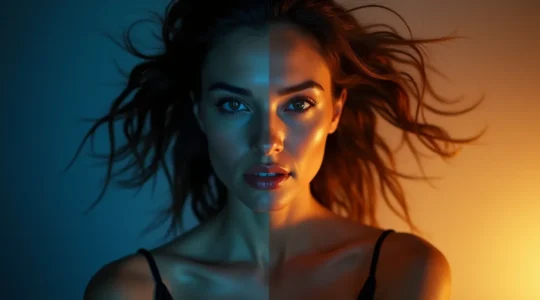
Editorial vs. Commercial: How to Switch Your Energy on a Fashion Shoot?
In summary: Mastering your energy is not about different poses, but about embodying the brand’s core story. Differentiate your approach: Editorial demands raw, disruptive energy, while commercial requires aspirational poise. Use micro-adjustments in your gaze, jaw, and hands to transform…
Read more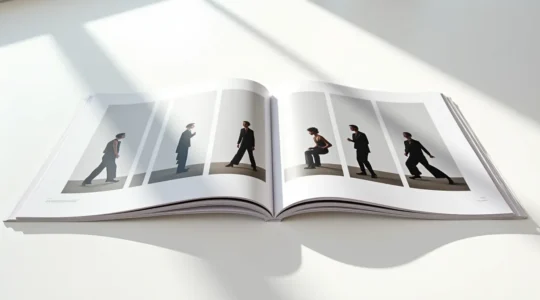
The Silent Script: Weaving a Narrative Arc Across a Six-Page Editorial
A powerful fashion editorial is not a collection of beautiful poses; it’s the visual record of a character’s psychological journey. Your primary role is to create and inhabit an internal monologue, not just execute external directions. Locations, outfits, and other…
Read more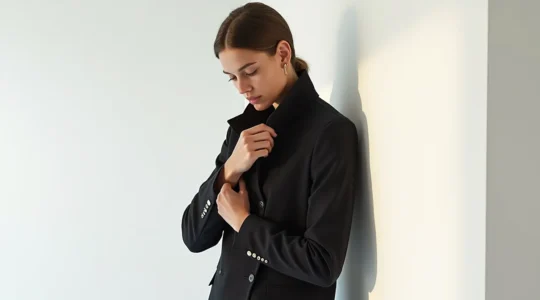
The “Money Shot”: How to Nail the One Image That Carries the Campaign?
Delivering the ‘money shot’ isn’t about beauty; it’s a calculated commercial execution where the product is the hero. Master the Visual Hierarchy Funnel to guide the viewer’s eye from your face to the product, not the other way around. Adapt…
Read more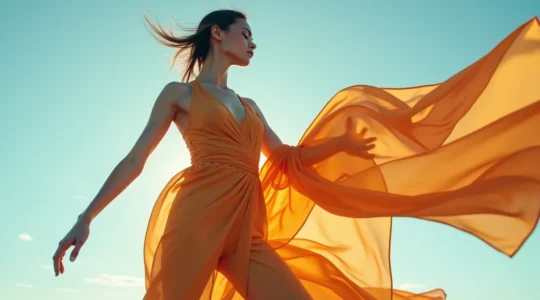
How to Embody Abstract Concepts Like “Future” or “Nostalgia” in Your Posing
In summary: Vague instructions like “be more nostalgic” are a call to perform, not just pose. The solution is to build an internal character. Deconstruct the mood board for sensory cues—texture, color, and light—to inform your character’s physical and emotional…
Read more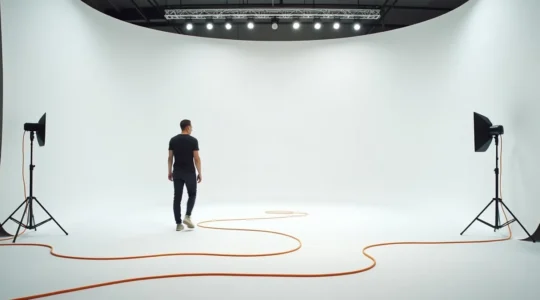
Cycloramas and Cables: How to Navigate a Professional Studio Safely?
The biggest risk for a new model isn’t a bad photo; it’s being a physical liability on a set filled with expensive, fragile equipment. A professional studio is a technical workspace, not a stage. Every surface and cable has a…
Read more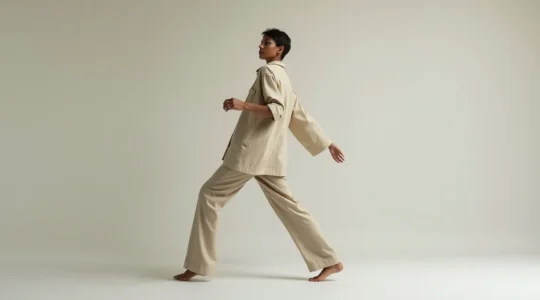
Rule of Thirds: How to Place Your Body to Help the Photographer?
In summary: Stop defaulting to the center of the frame; your body is a tool to create balanced, dynamic compositions using the rule of thirds. Master geometric shapes, especially triangles with your limbs, to add structure and direct the viewer’s…
Read more
How Color Grading Changes Your Skin Tone and Makeup Intensity?
The biggest mistake models make is applying makeup for the mirror; the final photo is a technical process that fundamentally alters color and texture. Color grading drastically changes a color’s brightness (luminance), which can make vibrant red lipstick appear black…
Read more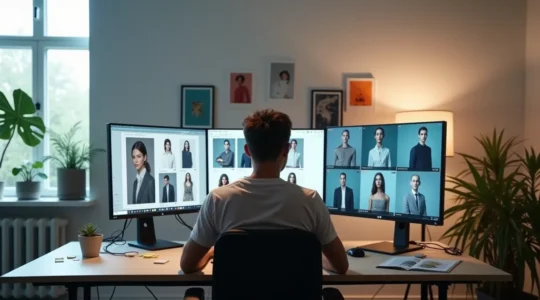
Why Retouchers Delete 50% of Your Best Poses During Selection?
Contrary to what you believe, your ‘best’ pose is often a technical liability that gets instantly deleted. Photographs are valued as commercial assets for post-production, not as personal portraits. A complex approval chain of brand managers and legal teams—not the…
Read more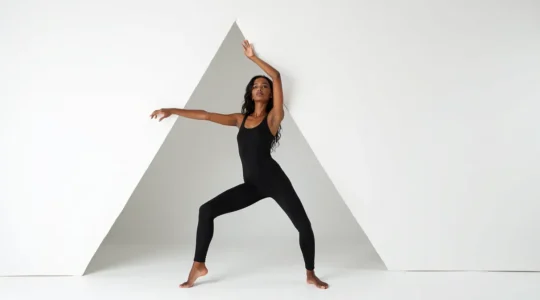
How to Create Dynamic Shapes Using Negative Space in Fashion Photography?
If your poses feel flat or static, the problem isn’t your body—it’s your perception of the space around it. The secret to dynamic fashion photography lies not in just striking a pose, but in actively sculpting the “negative space” or…
Read more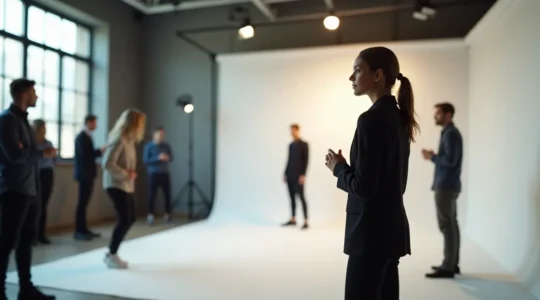
The Unwritten Rules of Set Etiquette That Actually Get You Rebooked
Your on-set behavior is a financial line item for production; professionalism is not a personality trait, but a risk management strategy that determines your career longevity. Punctuality is a budget issue: arriving “on time” is already late and costs production…
Read more