
The secret to a successful modeling career isn’t about restriction; it’s about strategic fueling, treating your body like the elite athlete it is.
- Sustained energy and glowing skin come from metabolic stability, not calorie counting.
- Specific food choices before a shoot can dramatically reduce bloating and inflammation.
Recommendation: Shift your focus from what to cut out to how to strategically add in nutrient-dense foods that support performance, resilience, and radiance from within.
The pressure is immense. Long hours under hot lights, back-to-back castings, and the constant demand to look effortlessly flawless. For decades, the modeling industry has been haunted by the myth that achieving this requires a choice between two extremes: starving for the “look” or sacrificing your body’s needs. This has led to a pervasive culture of gaunt figures, depleted energy on set, and a constant battle with skin issues masked by makeup.
Many will advise you to simply eat “clean” or drink more water. While well-intentioned, this advice is generic and fails to address the specific, high-stakes demands of your job. It ignores the science of performance nutrition and the direct link between your plate, your energy levels, and the clarity of your skin. It’s time to dismantle the “model diet” myth and replace it with a powerful, nourishing framework.
But what if the key wasn’t about punishing your body, but fueling it like an athlete? What if your food choices could be your most powerful tool for creating metabolic stability, ensuring you have boundless energy for a 12-hour shoot and a complexion that glows even before the makeup artist arrives? This isn’t about a diet; it’s about an operating system for peak performance.
This guide will break down the exact nutritional strategies to manage everything from pre-shoot bloating to on-set energy slumps. We will explore how to use food as your ally to build a resilient, radiant body that not only meets the industry’s demands but thrives under them.
To navigate these principles effectively, this article provides a structured roadmap. Below is a summary of the key areas we will explore to transform your approach to nutrition from one of restriction to one of strategic power.
Summary: The Model’s Performance Plate
- Sugar Face: Why Cutting Refined Sugar Can Clear Your Skin in 2 Weeks?
- Water Retention: When to Stop Drinking Water Before a Swimwear Shoot?
- The Craft Service Trap: Which Snacks Will Crash Your Energy Level?
- The Low-FODMAP Trick: What to Eat the Day Before a Fitting?
- Biotin and Collagen: Do They Actually Work or Is It Just Marketing?
- How to Maintain High Energy Levels During a 12-Hour Catalog Shoot?
- The “Pimple Emergency”: How to Treat a Breakout Overnight Without Scarring?
- Pilates vs. CrossFit: Which Workout Builds the “Long and Lean” Model Look?
Sugar Face: Why Cutting Refined Sugar Can Clear Your Skin in 2 Weeks?
The term “sugar face” isn’t just a catchy phrase; it describes a real biological process. When you consume excess refined sugar, it triggers a process called glycation. In simple terms, sugar molecules attach to proteins in your body, like collagen and elastin, which are responsible for your skin’s firmness and elasticity. This creates harmful new molecules called Advanced Glycation End Products (AGEs). These AGEs make your collagen rigid and brittle, leading to fine lines, loss of elasticity, and a dull complexion. As registered dietitian Nicole Hopsecger of the Cleveland Clinic notes:
Eating too many processed or refined sugars and foods with a high glycemic index (dairy, carbohydrates, and unhealthy fats) can actually cause skin inflammation, irritation and breakouts, and possibly promote aging
– Nicole Hopsecger, RD, Cleveland Clinic
This inflammatory response is a primary driver of acne and other skin issues. The good news is that your skin has a rapid cell turnover cycle. By significantly reducing refined sugar, you can interrupt the glycation cycle and reduce inflammation. In fact, cutting-edge research is exploring ingredients that can fight this process, with one study showing a potential 68% reduction in glycation of connective tissue proteins with a specific active ingredient. This demonstrates just how impactful controlling sugar can be.

As the visual above suggests, healthy collagen forms a strong, supple matrix. Glycation breaks this down, creating visible changes on the surface. To combat this, focus on eliminating “hidden” sugars. Many seemingly healthy foods like flavored yogurts, fruit juices, and granola bars are loaded with them. Instead, prioritize whole foods that provide fiber and protein to ensure metabolic stability. This is the foundation of internal skincare.
Water Retention: When to Stop Drinking Water Before a Swimwear Shoot?
The advice to “cut water” before a shoot is one of the most dangerous and counterproductive myths in the industry. It stems from a misunderstanding of how the body regulates fluid. Your skin is your largest organ, and its health and appearance are directly tied to hydration; in fact, your skin is approximately 64% water. When you drastically restrict water intake, your body panics and goes into conservation mode, releasing an antidiuretic hormone (ADH) that makes you hold on to *every last drop* of water, leading to more puffiness and bloating, not less.
The real culprits behind unwanted water retention are often high sodium intake and hormonal fluctuations. Processed foods, sauces, and even seemingly healthy packaged meals can be loaded with sodium, which causes your cells to retain excess fluid. A far more effective and safer strategy is not to cut water, but to manage your electrolyte balance, particularly the sodium-potassium ratio, in the 24-48 hours before a shoot.
Instead of dehydration, the goal is optimal hydration and natural diuresis. This involves drinking plenty of water while simultaneously focusing on foods that support fluid balance. This strategic approach ensures your muscles look defined and your skin remains plump and glowing, without the dangerous side effects of dehydration like dizziness, muscle cramps, and a “flat” appearance.
The 24-Hour De-Bloat Protocol
A practical protocol involves slightly increasing potassium intake through foods like avocado, spinach, and sweet potatoes, while moderately reducing sodium 24-48 hours before an important event. One example is building a meal around a quinoa bowl with bell peppers, hemp hearts, and avocado. This approach helps the body naturally release excess water without the dangerous rebound effect of water restriction, promoting a lean and defined look for camera.
The Craft Service Trap: Which Snacks Will Crash Your Energy Level?
The craft service table can be a model’s best friend or worst enemy during a long shoot. It’s often filled with convenient but metabolically disastrous options: muffins, pretzels, candy, and sugary drinks. While these provide a quick burst of energy, they are simple carbohydrates that spike your blood sugar dramatically. Your body responds by releasing a flood of insulin, which causes your blood sugar to crash just as quickly, leaving you feeling exhausted, foggy, and even irritable right when you need to be “on.”
This blood sugar rollercoaster not only kills your energy but also triggers an inflammatory response that can lead to breakouts and dull skin. The key to avoiding the “crafty” trap is to always have performance fuel on hand. The formula for a perfect anti-crash snack is simple: combine a source of high-quality protein, a healthy fat, and a complex carbohydrate (ideally with fiber).
This combination slows down the absorption of sugar into your bloodstream, promoting the metabolic stability that is crucial for sustained energy. Protein and fat provide long-lasting fuel, while fiber helps you feel full and satisfied. Planning ahead and bringing your own snacks ensures you’re never at the mercy of the craft service table, giving you full control over your energy and performance throughout the day.
Here are some examples of perfectly balanced, portable snacks that follow this formula:
- Apple slices with 2 tablespoons of almond butter (fiber + healthy fat + protein)
- Two hard-boiled eggs with a handful of pumpkin seeds (protein + healthy fat)
- Plain Greek yogurt with berries and a sprinkle of chia seeds (protein + fiber + antioxidants)
- Hummus with cucumber and bell pepper sticks (protein + fiber + hydration)
- A small portion of mixed nuts with a few dark chocolate chips (healthy fats + antioxidants)
The Low-FODMAP Trick: What to Eat the Day Before a Fitting?
There’s nothing more frustrating than feeling bloated on the day of a fitting, when measurements need to be precise. Often, this bloating isn’t due to weight gain but to digestive distress caused by certain types of carbohydrates known as FODMAPs (Fermentable Oligosaccharides, Disaccharides, Monosaccharides, and Polyols). These are short-chain carbs that are poorly absorbed in the small intestine for some people. They draw in excess water and are rapidly fermented by gut bacteria, producing gas and leading to bloating, discomfort, and a visibly distended abdomen.
Common high-FODMAP foods include healthy items like apples, mangoes, onions, garlic, wheat, beans, and some dairy products. A temporary low-FODMAP approach in the 24-48 hours before a fitting can be a game-changer. This is not a long-term diet but a short-term strategic tool to ensure you feel and look your best. The goal is to temporarily swap out high-fermentation foods for easier-to-digest alternatives.
Model’s Pre-Fitting Day Protocol
Many successful models follow a ‘Clean Eating’ approach, focusing on unprocessed foods and ample hydration. The day before a fitting, this is often combined with a temporary low-FODMAP strategy. This includes avoiding carbonated beverages, chewing gum, and drinking through straws to minimize air intake, alongside choosing foods that are gentle on the digestive system.
This approach highlights the importance of bio-individual nutrition. While these foods are perfectly healthy for most, being aware of them as potential triggers can give you a powerful tool for managing your physique on critical days. Below is a simple guide for making smart swaps.
| Meal | High-FODMAP (Avoid) | Low-FODMAP Alternative |
|---|---|---|
| Breakfast | Wheat toast, milk, apple | Scrambled eggs with spinach, gluten-free oats |
| Lunch | Pasta salad, garlic bread | Grilled chicken with quinoa and cucumber |
| Dinner | Bean burrito, onion rings | Baked salmon with green beans and wild rice |
| Snacks | Yogurt, cashews, dried fruit | Rice cakes with peanut butter, strawberries |
Biotin and Collagen: Do They Actually Work or Is It Just Marketing?
The beauty supplement market is flooded with promises of longer hair, stronger nails, and flawless skin, with biotin and collagen leading the charge. But are these expensive powders and pills a magic bullet or just clever marketing? The answer lies in understanding how your body actually builds its own tissues. Your body is a factory, and supplements are just raw materials. If the factory doesn’t have all the necessary machinery and co-factors, the raw materials are useless.
Biotin (Vitamin B7) is essential for the metabolism of fats, carbs, and proteins. While a true deficiency can cause hair loss and skin rashes, it’s extremely rare. Most people get more than enough biotin from a balanced diet including eggs, salmon, and nuts. Taking mega-doses is unlikely to provide extra benefits if you’re not deficient; your body will simply excrete the excess.
Collagen is similar. Consuming collagen powder provides your body with amino acids, the building blocks of protein. However, your body doesn’t just take that collagen and transport it directly to your skin. It breaks it down into individual amino acids and then uses them wherever they are needed most. For your body to synthesize its own new collagen, it absolutely requires other key nutrients, most notably Vitamin C, zinc, and copper. Without these co-factors, the amino acids from a collagen supplement are far less effective. This is the essence of internal skincare: providing the full suite of tools, not just one ingredient.
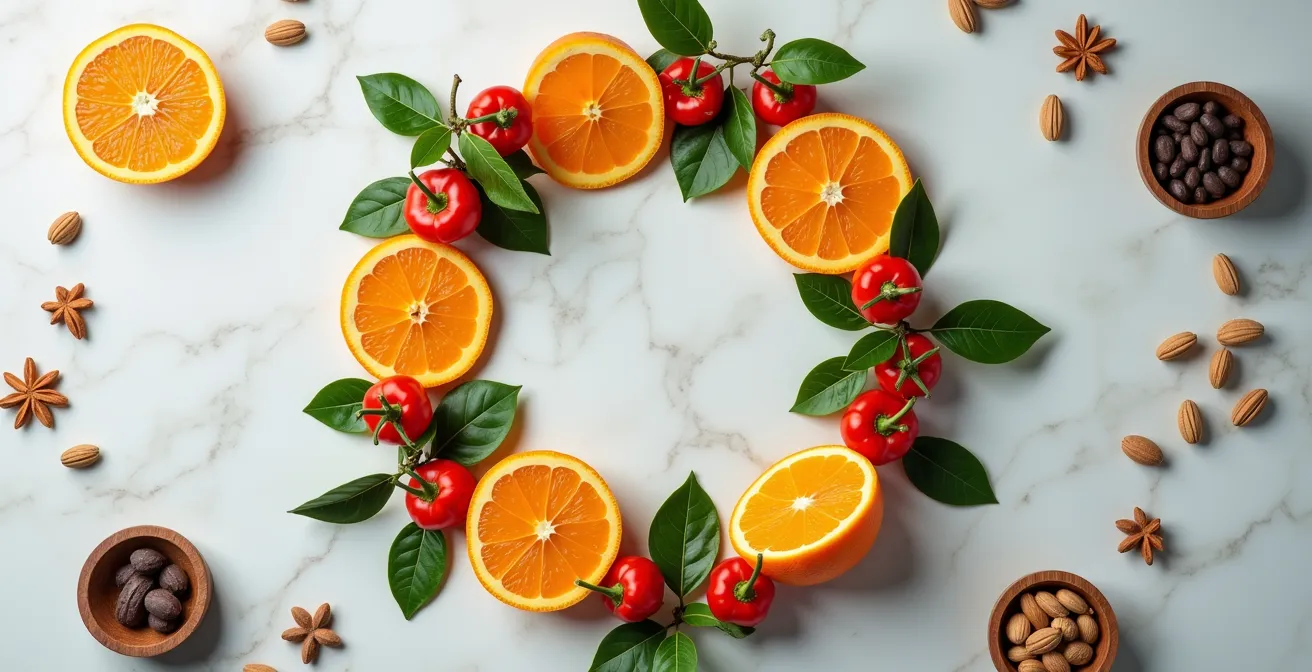
A “food-first” approach is almost always superior. Instead of relying solely on a supplement, focus on a diet rich in collagen precursors. This includes Vitamin C from bell peppers and citrus, zinc from pumpkin seeds and lentils, and high-quality protein from sources like bone broth, chicken, and fish. This holistic strategy provides your body with everything it needs to build strong, healthy collagen from the inside out.
How to Maintain High Energy Levels During a 12-Hour Catalog Shoot?
A 12-hour shoot is a marathon, not a sprint. It demands consistent physical and mental energy, and arriving with a depleted “gas tank” is a recipe for disaster. The single biggest mistake models make is starting the day with a poor breakfast or skipping it entirely. A breakfast of simple carbs (like a pastry or sugary cereal) will lead to an energy crash by mid-morning. The key to enduring a long day is establishing metabolic stability from your very first meal.
Start your day with a breakfast rich in protein and healthy fats, with a source of slow-releasing carbohydrates. Think scrambled eggs with avocado and a slice of whole-grain toast, or a smoothie with protein powder, spinach, almond butter, and berries. This sets your blood sugar on a stable trajectory for the rest of the day. From there, the strategy shifts to nutrient timing.
Instead of waiting for hunger or exhaustion to strike, you must proactively refuel. This means consuming small, balanced mini-meals or snacks every 2.5 to 3 hours. This prevents energy dips and keeps your brain sharp and focused. Equally important is hydration. Sipping water, especially with added electrolytes, throughout the day is far more effective than chugging a bottle during a break. This approach treats your body like a high-performance machine, providing a steady stream of fuel to keep it running at its peak.
Performance Nutrition Protocol from Fashion Week
During the intense, high-stress environment of Fashion Week, a model’s body is tested like an athlete’s. The tight schedule can lead to missed meals when energy needs are at their highest. Successful models combat this by preparing portable protein sources like grilled chicken strips or hard-boiled eggs and maintaining consistent hydration with electrolyte-rich options like coconut water to support their performance under pressure.
The “Pimple Emergency”: How to Treat a Breakout Overnight Without Scarring?
A prominent pimple appearing the day before a big shoot can feel like a catastrophe. The immediate impulse is often to pick or pop it, which is the single worst thing you can do. This can damage the skin, introduce more bacteria, and lead to post-inflammatory hyperpigmentation (PIH)—a dark spot that can last for weeks or even months. A calm, strategic approach can significantly reduce the inflammation and visibility of a breakout overnight without causing long-term damage.
The primary goal is to reduce inflammation, not to aggressively attack the blemish. This involves a multi-step process that soothes the skin while targeting the underlying issue. It’s also a reminder of the direct link between diet and skin. As dermatology experts confirm, high sugar intake causes glycation, a process that damages collagen, accelerates aging, and fuels the inflammation at the root of such breakouts. While a long-term diet is the ultimate prevention, a short-term SOS plan is essential.
The morning after, the focus shifts to healing and concealment. Using ingredients like niacinamide can help prevent the formation of dark spots, while a careful makeup application can effectively camouflage the blemish without further irritation. Having a reliable protocol gives you the confidence to handle any skin emergency without panic.
Your Action Plan: Dermatologist’s Overnight SOS Protocol
- Reduce Inflammation: Apply a cold compress or an ice cube wrapped in a cloth to the area for 5-10 minutes to constrict blood vessels and reduce swelling. Follow up by placing a hydrocolloid patch over the blemish to draw out fluid and protect it from bacteria.
- Target Bacteria (Carefully): Apply a spot treatment containing salicylic acid or benzoyl peroxide *around* the blemish, but not on any broken skin. This helps to kill bacteria without causing excessive dryness or irritation.
- Heal and Prevent Scarring (Morning After): After cleansing, apply a serum with niacinamide to the area. This ingredient is excellent for calming inflammation and preventing the post-inflammatory hyperpigmentation that leads to dark spots.
- Strategic Concealment: If you must cover it, use a green-toned color corrector to neutralize the redness. Gently pat a high-coverage, non-comedogenic concealer over the top and set lightly with translucent powder. Do not rub.
- Future Prevention Tip: At the very first sign or tingle of a new blemish, apply a warm compress to help bring impurities to the surface, then follow with a targeted clay mask on the spot to draw them out before it becomes a full-blown emergency.
Key Takeaways
- Your body is a performance machine; fuel it with nutrient-dense foods, not restrictive diets.
- Metabolic stability, achieved through balanced meals of protein, healthy fats, and fiber, is the key to sustained energy and clear skin.
- Short-term, strategic food choices (like low-FODMAP or sodium management) are professional tools for peak-performance days, not long-term punishments.
Pilates vs. CrossFit: Which Workout Builds the “Long and Lean” Model Look?
The “long and lean” aesthetic often associated with models is not just about being thin; it’s about good posture, toned musculature, and a graceful presence. The type of workout you choose has a direct impact on the type of muscle you build. While any form of exercise is beneficial, when it comes to achieving this specific look, the science of muscle fiber activation provides a clear answer.
CrossFit and other high-intensity interval training (HIIT) workouts primarily recruit Type II (fast-twitch) muscle fibers. These fibers are responsible for powerful, explosive movements. They grow in size (hypertrophy) relatively quickly, which is great for building strength and power but can also lead to a bulkier appearance. Pilates, on the other hand, focuses on slow, controlled movements and core stabilization, which primarily engages Type I (slow-twitch) muscle fibers. These fibers are built for endurance and are more resistant to fatigue. Training them leads to denser, more elongated-looking muscles without significant increase in size.
This fundamental difference in muscle development is why Pilates is so often favored by models. It builds deep core strength, which dramatically improves posture—making you appear taller and more poised on camera. It also places a heavy emphasis on flexibility and mobility, which contributes to the elongated, graceful lines of the body. While CrossFit is an excellent workout for general fitness, its focus on power and bulk is less aligned with the specific aesthetic goals of many in the modeling industry.
As dermatologists from the Columbia Skin Clinic wisely state, a holistic approach is paramount:
Changing your skin through diet is a long-term process. Smart choices today and tomorrow will lead to clear and radiant skin in weeks to come
– Columbia Skin Clinic Dermatologists, Columbia Skin Clinic
This same long-term philosophy applies to your fitness. The choice of workout should support a sustainable, career-long vision of health and form.
| Aspect | Pilates | CrossFit | Model Body Impact |
|---|---|---|---|
| Primary Muscle Fibers | Type I (Slow-twitch) | Type II (Fast-twitch) | Type I creates lean, toned look |
| Muscle Development | Dense, elongated | Bulky, powerful | Pilates aligns with model aesthetic |
| Core Focus | Primary emphasis | Secondary focus | Strong core improves posture |
| Flexibility Impact | Significantly improves | Limited improvement | Essential for elongated appearance |
| Recovery Time | 24-48 hours | 48-72 hours | Faster recovery for daily shoots |
Ultimately, treating your body like an athlete’s means adopting a 360-degree approach. The food you eat, the way you move, and the recovery you prioritize all work together to build a foundation of true, sustainable radiance. This isn’t a temporary fix for one job; it’s a career-defining strategy for long-term success and well-being. Embrace this mindset and start fueling your performance from the inside out.